


ADXL345 – The Universal Accelerometer – Part 1
The ADXL345 is a 3-axis accelerometer with many features. I explain how to use it with my associated library.
Read More
The ADXL345 is a 3-axis accelerometer with many features. I explain how to use it with my associated library.
Read More
I show you how to use the analog 3-axis accelerometer MMA7361 to determine acceleration, angle and orientation and how to use the free fall interrupt.
Read More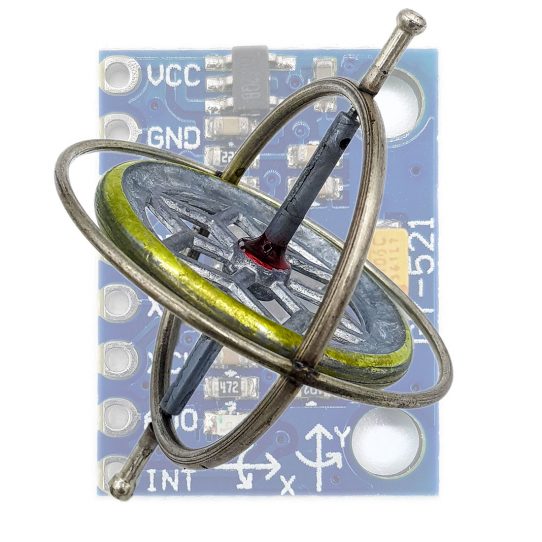
The MPU6050 is a 6-axis gyroscope and accelerometer. I show you how to control it with and without a library and use its interrupt function.
Read More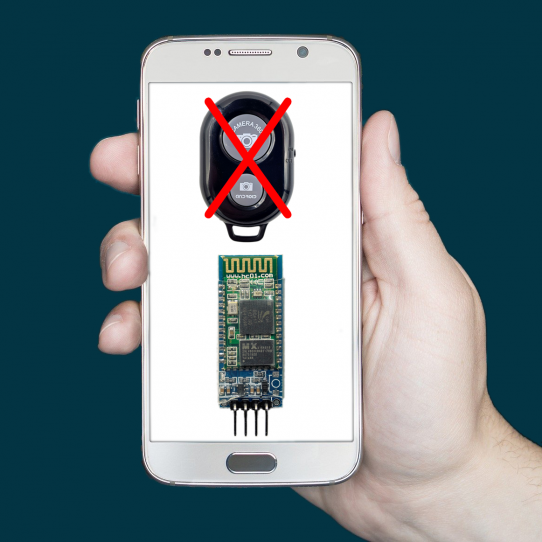
In this second part about remote shutters, I’ll show you how to trigger your smartphone camera with BT modules like the HC-05 or HC-06.
Read More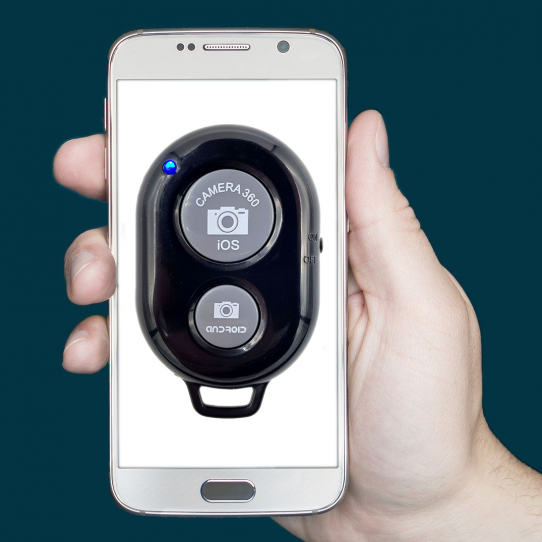
I show you how to hack a remote shutter for your smartphone to control it via an Arduino. Moreover: problem-solving for long-term operation.
Read More
This is my last (!) post about current sensors. The INA282 determines currents by amplifying the voltage dropping across an external shunt. The output value is analog. I show you how to use the INA282 with the Arduino UNO or other microcontrollers.
Read More
Many projects require a defined voltage level. I will show you how you can use linear and switching regulators and how they work.
Read More
This my the penultimate article on the subject of current sensors. This time it is about the MAX471, a shunt-based current sensor with internal amplifier. I present two modules and show how to use them on the Arduino.
Read More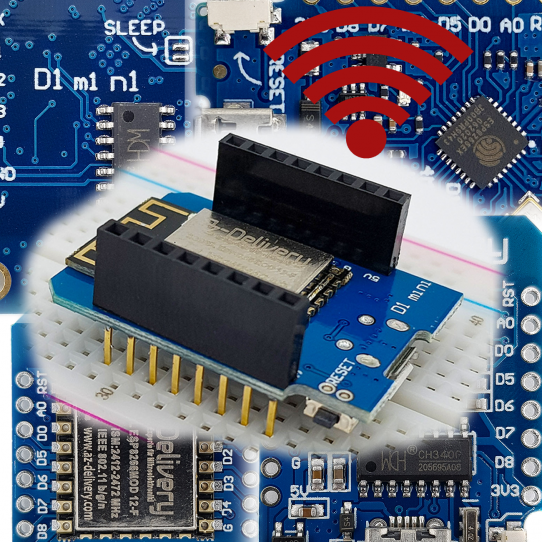
A little breather from current sensors:
I present the Wemos D1 Mini Board with its technical features and show how you integrate it into the Arduino IDE. I will highlight the main differences from the Arduino UNO Board.

The ACS712 current sensor can be used to measure currents in the range of amperes. I show how to get down into the milliampere area and also measure the performance.
Read More